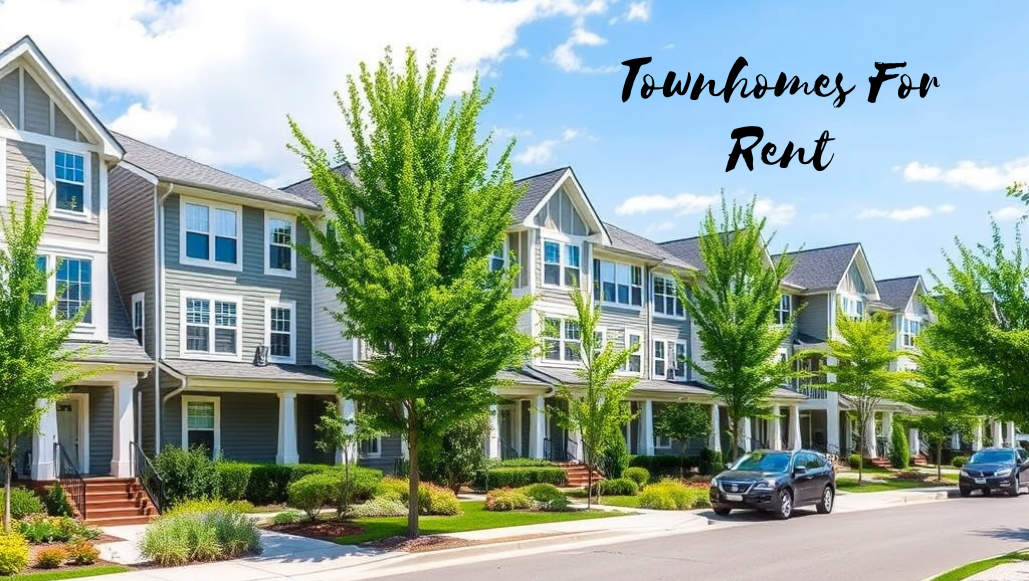
Townhomes for rent provide a balanced housing option that combines the comfort of a single-family home with the convenience of community living. These properties typically feature multiple floors, private entrances, and, in some cases, small yards or patios, giving residents more space and privacy than traditional apartments.
Many renters choose townhomes because they offer desirable amenities, a neighborhood atmosphere, and reduced maintenance responsibilities since property management often handles exterior upkeep. For families, professionals, and individuals seeking both convenience and comfort, townhomes for rent present a practical and appealing living solution.
| Aspect | Summary |
| Townhomes For Rent | Multi-level rental homes with private entrances, often located in planned communities. |
| Ideal For | Families, couples, professionals, and pet owners seeking more space and privacy. |
| Key Benefits | More living space, greater privacy, and access to community amenities. |
| Outdoor Space | Many include small yards, patios, or balconies. |
| Community Features | Pools, gyms, playgrounds, clubhouses, and shared recreational areas. |
| Maintenance | Exterior maintenance and landscaping are often handled by property management. |
| Average Rent | Around $1,800 per month in the U.S., depending on location and size. |
| Additional Costs | Utilities ($150–$300), internet ($50–$100), and possible parking fees. |
| Lifestyle Advantage | Combines the comfort of a house with the convenience of managed community living. |
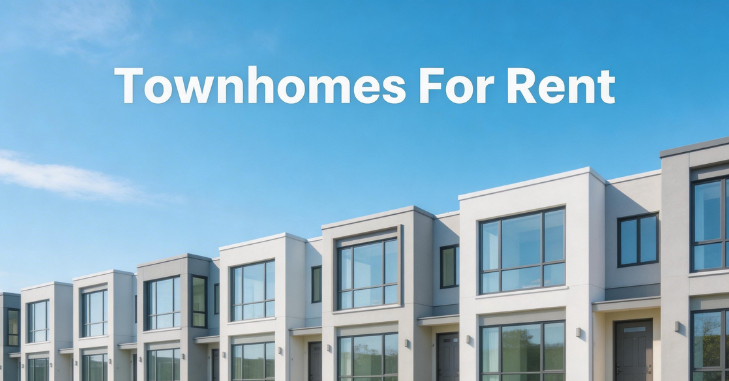
Townhomes For Rent
Townhomes for rent offer an ideal blend of space, privacy, and community living, making them a popular choice for families and individuals alike. Unlike traditional apartments, townhomes typically feature multiple levels, private entrances, and often small yards or patios, providing residents with more room to unwind and entertain.
Many townhome communities offer desirable amenities, such as pools and fitness centers, enhancing the overall living experience. Additionally, townhomes usually have lower maintenance responsibilities compared to single-family homes, as property management often handles exterior upkeep. Overall, renting a townhome can provide a comprehensive lifestyle solution for those seeking comfort and convenience.
Benefits of Renting a Townhome
More Space and Privacy
One of the primary advantages of renting a townhome is the increased space and privacy it provides. Unlike apartments, which may involve shared walls with neighbors, townhomes often have multiple levels and private entrances. This layout yields a more suburban lifestyle feel while still being close to urban amenities, providing residents with more breathing room.
Yard and Outdoor Space
Many townhomes come with small yards or patios, making them ideal for those who enjoy gardening, outdoor dining, or having pets. This outdoor space offers a valuable extension of the home, perfect for relaxation or social gatherings. It’s also a significant advantage for families with children, who can enjoy safe outdoor play areas.
Community Living
Townhome complexes often foster a sense of community. Many communities encourage social interactions among residents through organized events, shared recreational areas, or pools. This creates an inviting environment for families and individuals who appreciate having neighbors nearby.
Potential for Upgraded Amenities
Many townhome rentals include access to community amenities that apartments may not offer. These can include swimming pools, fitness centers, playgrounds, and clubhouses. Such facilities provide added value and encourage a healthy, active lifestyle.
Lower Maintenance Responsibilities
Renting a townhome generally means less maintenance than owning a single-family home. Most townhouse communities have management teams that handle exterior maintenance, landscaping, and common-area upkeep, alleviating the burden of these responsibilities from tenants. This means more time to enjoy your home and community.
Pets Welcome
Townhomes are often more pet-friendly than apartments. Many townhome communities allow pets, with some even offering pet parks and walking trails. This is an attractive feature for pet lovers, providing them with the opportunity to have their furry friends without the constraints often found in apartment living.
More Stable Living Conditions
Townhome communities tend to have a more stable resident base compared to apartments, where turnover can be high. A more stable community environment creates a sense of belonging and safety for families, fostering long-term relationships among neighbors.
Average Cost of Townhomes for Rent
The cost of renting a townhome can vary significantly depending on factors such as location, size, amenities, and the overall housing market. Here are some key insights on average rental costs:
- Geographic Variability: Townhome rental prices can vary widely based on geographic location. For instance, in metropolitan areas, the cost of renting a townhome may be significantly higher than in suburban or rural areas. In cities like San Francisco or New York, rental prices for a townhome may start around $3,000 per month, while in smaller towns, you might find prices around $1,200 to $2,000.
- Average National Costs: The average national Rent for a townhome is approximately $1,800 per month. Many factors influence this average, including the townhome’s size (number of bedrooms or bathrooms) and its amenities.
- Additional Costs to Consider: In addition to Rent, you should factor in additional costs associated with renting a townhome:
- Utilities: These can range from $150 to $300 per month, depending on usage and location.
- Internet/Cable Services: Budget for about $50 to $100 for entertainment and communication services.
- Parking Fees: If your townhome does not come with designated parking, additional fees may apply.
- Long-Term vs. Short-Term Rentals: The length of your lease can also affect costs. Long-term leases often offer lower monthly payments, while short-term rentals may come with a premium for flexibility. I want you to know that understanding your needs and plans can help guide your search.
Townhomes for Rent vs. Apartments
Choosing between renting a townhome or an apartment hinges on lifestyle, budget, and personal preferences, with key differences in space, privacy, and amenities. Townhomes generally offer more living space across multiple floors, larger bedrooms, and outdoor areas, along with greater privacy from separate entrances and fewer shared walls.
They often come with community amenities like pools and gyms, though they tend to have higher rents to reflect these amenities. In contrast, apartments offer more compact living spaces with shared amenities and typically lower rental prices, making them more budget-friendly, especially in urban settings.
However, apartments can involve noise from neighbors and still require management responsibilities for maintenance issues. At the same time, townhome renters enjoy less upkeep, as exterior maintenance is often handled by property management or homeowners’ associations.
Tips for Renting a Townhome
If you are considering renting a townhome, here are some practical tips to keep in mind:
Research the Neighborhood
Before signing a lease, research the neighborhood and ensure it aligns with your lifestyle and needs. Consider factors like proximity to work, schools, public transportation, and local amenities such as parks, shopping, and dining options.
Review Lease Terms
Carefully read through the lease agreement before signing. Pay attention to details such as the lease term, renewal options, pet policies, maintenance responsibilities, and any fees for breaking or modifying the lease.
Visit Multiple Properties
Don’t settle for the first townhome you see. Touring multiple properties allows you to compare features, layouts, and rental prices to make an informed decision.
Communicate with Current Residents
If possible, speak to current residents of the townhome community you’re considering. They can provide valuable insight into their experiences with management, the community atmosphere, and any potential issues.
Inspect the Property
Always schedule a walkthrough of the property before signing a lease. Check for any maintenance issues, cleanliness, or needed repairs. Document any concerns and address them with the landlord before moving in.
Factor in Total Costs
When budgeting for a townhome, consider all associated costs beyond Rent. Utilities, internet, parking, and potentially higher living expenses in certain neighborhoods should all be factored into your overall budget.
Conclusion
Townhomes for rent offer a unique living experience with numerous benefits, including additional space, privacy, access to community amenities, and yard access. As discussed, the costs of townhomes can vary widely by geographic location and housing market, but they often represent a desirable alternative to traditional apartments.
Making an informed decision involves considering personal needs, lifestyle preferences, and financial factors when exploring townhouses for Rent. With careful research and planning, renters can find the perfect townhome that suits their needs, creating a cozy and enjoyable living environment.
Want to know about1 Bedroom Apartments: All You Need To Know About the Benefits of Living in a 1 Bedroom Apartment, Tips for Decorating a 1 Bedroom Apartment, Average Cost of 1 Bedroom Apartments, And Much Mor Check out our Real Estate category.
FAQs
Generally, townhomes can be more expensive due to their larger size and additional amenities. However, prices vary widely based on location and specific features, so it’s essential to compare both options in your desired area.
In townhomes, renters often have minimal maintenance responsibilities for exterior upkeep, as these tasks are usually handled by property management. In apartments, while interior maintenance is handled by the property team, renters may be responsible for minor upkeep.
Both options offer a level of security, but townhomes often have fewer shared walls and more private entrances, which can enhance the sense of security. The overall safety, however, largely depends on the specific neighborhood and community features.