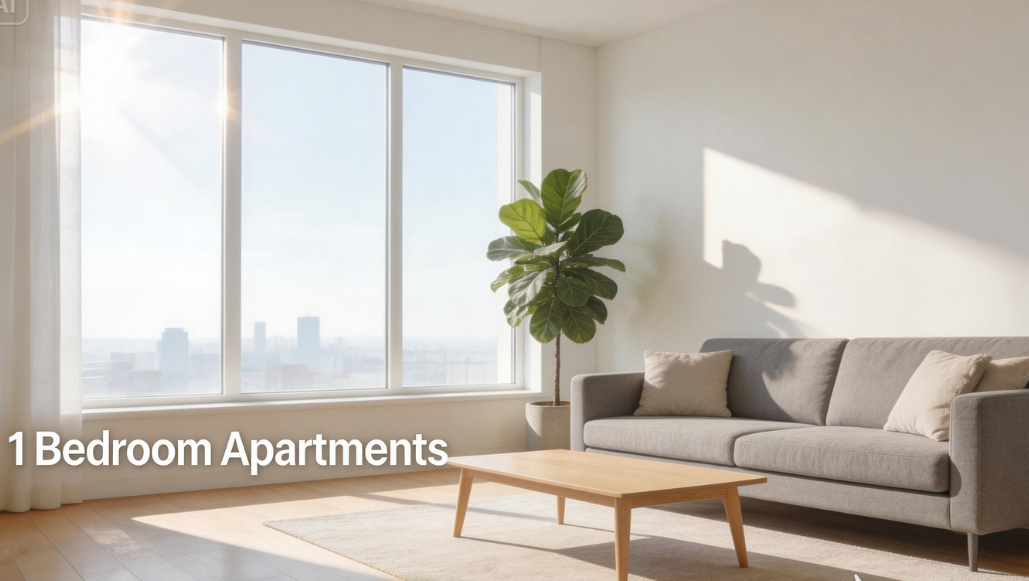
1-bedroom apartments are a popular housing option for individuals and couples seeking a balance between comfort, affordability, and practicality. These compact living spaces typically include a separate bedroom, a living area, a kitchen, and a bathroom, providing enough privacy while remaining cost-effective compared to larger homes.
Many people choose 1-bedroom apartments because they offer lower rent, reduced utility bills, and easier maintenance, making them especially attractive for urban living. With thoughtful interior design, smart storage solutions, and multifunctional furniture, residents can transform a smaller space into a stylish, highly functional home that suits modern lifestyles.
| Aspect | Summary |
| 1 Bedroom Apartments | A compact housing unit with one bedroom, living area, kitchen, and a bathroom. |
| Ideal For | Singles, young couples, professionals, and retirees. |
| Key Benefits | Affordable rent, lower utility costs, and easy maintenance. |
| Urban Advantage | Often located near workplaces, entertainment, and public transport. |
| Space Optimization | Use of multifunctional furniture, vertical storage, and light colors. |
| Average Rent (U.S.) | Around $1,500 per month on average; varies by city. |
| Additional Costs | Utilities ($150–$300), internet ($50–$100), renters’ insurance ($10–$30). |
| Buying Price Range | Roughly $150,000 to over $1 million, depending on location. |
| Lifestyle Benefit | Comfortable, flexible, and efficient living space. |
1 Bedroom Apartments

1-bedroom apartments offer a perfect blend of affordability, convenience, and comfort, making them ideal for singles and couples alike. These living spaces typically come with lower rent and utility costs than larger units, allowing residents to allocate their budgets to other priorities or savings.
Located often in urban areas, 1-bedroom apartments provide easy access to amenities, entertainment, and public transportation. With clever decorating strategies and multifunctional furniture, inhabitants can maximize their space while creating a cozy, stylish home. Overall, 1-bedroom apartments represent a smart housing choice for those looking to streamline their living situation without sacrificing quality of life.
Benefits of Living in a 1-Bedroom Apartment
Affordability
One of the primary benefits of a 1-bedroom apartment is affordability. Renting or buying a smaller space generally costs less than living in a larger home. This makes 1-bedroom apartments appealing, particularly for those on a tighter budget.
Affordable living allows individuals to allocate their resources towards other investments such as education, travel, or saving for a future home.
Lower Utility Bills
Smaller spaces mean lower utility bills. Heating, cooling, and electricity costs are typically reduced in a 1-bedroom apartment due to the smaller area. This can result in significant savings every month.
Easier Maintenance
One of the most appealing aspects of a 1-bedroom apartment is the reduced maintenance required. With less space to clean and fewer appliances, upkeep is much simpler. This is particularly beneficial for busy professionals who may not have time to handle extensive cleaning chores.
Ideal for Urban Living
1-bedroom apartments are often found in urban areas, making them ideal for individuals who want to live close to work, entertainment, and dining. The convenience of being in the heart of the city outweighs the need for larger living spaces for many.
Community and Security
Many 1-bedroom apartments are in multi-unit buildings, creating a community feel. Living in such a setting can provide added security, as neighbors are often nearby. Additionally, many buildings have security features like controlled access and surveillance systems.
Flexibility
Whether you’re a single person, a young couple, or even a retiree, 1-bedroom apartments offer flexible living arrangements. They can accommodate various lifestyles, making them suitable for both long-term and short-term stays.
Tips for Decorating a 1-Bedroom Apartment

Decorating a 1-bedroom apartment requires creativity and strategic planning to make the most of the limited space. Here are some useful tips to enhance your living area:
- Choose Multifunctional Furniture: Opt for furniture that can serve multiple purposes. A sofa bed, for example, can be used for seating during the day and converted into a bed for guests at night. Ottomans with storage inside can also be a great space-saver.
- Utilize Vertical Space: Take advantage of vertical space with shelves, tall bookshelves, and wall-mounted storage. This approach draws the eye upward, making the space feel larger while providing extra storage.
- Light Color Palette: Using lighter colors in your apartment can create an illusion of a bigger space. Shades of white, beige, and light pastels reflect light, making the room feel airy and open.
- Strategic Layout: Arrange your furniture for optimal flow. Avoid blocking pathways and ensure there is enough space to move comfortably throughout the apartment. A well-thought-out layout can make even a small space feel spacious.
- Personal Touches: Incorporate personal items such as photos, artwork, or souvenirs to make the space uniquely yours. Adding elements that reflect your personality helps in creating a welcoming environment.
- Mirrors: Mirrors can create the illusion of a larger space. By strategically placing mirrors across from windows or light sources, you can reflect natural light and make the room feel more expansive.
- Consistent Theme: Choose a consistent design theme to bring a cohesive feel to your apartment. Whether it’s modern, rustic, or minimalist, sticking to a theme will help create visual harmony.
Average Cost of 1-Bedroom Apartments

Costs for 1-bedroom apartments can vary significantly based on factors such as location, amenities, and the overall housing market. Here’s a general breakdown:
Urban vs. Suburban Areas
Typically, urban areas have higher rental prices due to demand. Cities like New York, San Francisco, and Los Angeles are known for their exorbitant rental costs, often exceeding $3,000 per month for a 1-bedroom apartment. In contrast, suburban areas may offer 1-bedroom apartments ranging from $1,200 to $2,000 per month.
Average Prices
The national average rent for a 1-bedroom apartment in the U.S. is approximately $1,500. Major cities like Austin, Chicago, and Miami fall roughly in the $1,500 to $2,500 range, while smaller towns may offer rentals in the $1,000 to $1,300 range.
Additional Costs
Beyond rent, consider the additional costs associated with living in a 1-bedroom apartment, such as:
- Utilities: Gas, water, and electricity can add $150 to $300 per month.
- Internet/Cable: Budget around $50-$100 for internet and entertainment services.
- Renters Insurance: Depending on coverage, this can range from $10 to $30 per month.
Buying a 1-Bedroom Apartment

If you are considering purchasing a 1-bedroom apartment, expect prices to vary significantly by location. A 1-bedroom condominium in a metropolitan area could cost anywhere from $200,000 to over $1 million. In contrast, in more suburban or rural settings, prices can range from $150,000 to $300,000.
Conclusion
Living in a 1-bedroom apartment offers a multitude of benefits, including affordability, lower utility costs, and less maintenance. With clever decorating strategies, you can transform this smaller space into a cozy, functional haven tailored to your lifestyle.
While costs may vary widely based on location and market conditions, the advantages of living in a 1-bedroom apartment remain clear: it’s an excellent choice for those seeking convenience, comfort, and flexibility in their living arrangements.
Whether you’re considering a 1-bedroom apartment or simply looking for inspiration, the information provided is designed to help you make the best choice for your lifestyle. Happy apartment hunting!
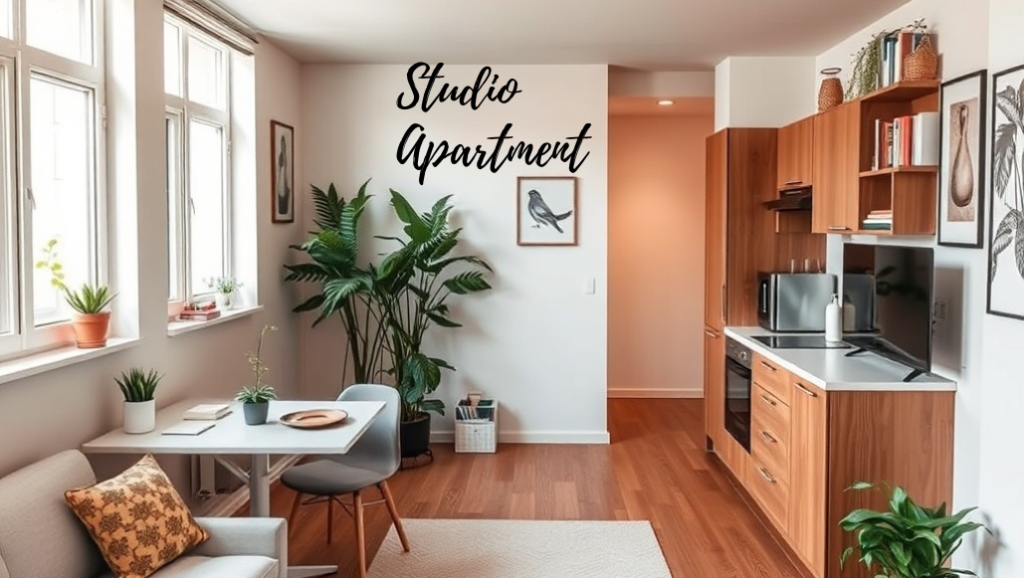
Want to know about Studio Apartments: All You Need to Know About Key Features, Layout & Design, Advantages of Living in a Studio Apartment, And Much More Check out our Real Estate category.
FAQs
The name of a one-bedroom apartment says it all. The one-bedroom in the apartment is totally isolated from the other areas. This bedroom is separated from the kitchen, living room, and bathroom by walls and a door.
A studio apartment is an apartment with just one room. They are sometimes referred to as studio apartments or single-room residences. The living, dining, and bedroom areas of a studio apartment are usually combined into one spacious room.
The room with a bathroom, a hallway, and neither a kitchen nor a kitchenette makes up 1+0. One room, a kitchenette, and a bathroom make up 1+kk. One room, a separate kitchenette, a hallway, and a bathroom make up a 1+1—a tiny apartment with a kitchenette (1+kk).
One of the most important factors in determining how many people can lawfully occupy a one-bedroom apartment is its size. A one-bedroom apartment is typically intended for two people. However, the size and configuration of the unit may affect this figure.