
The Debt-to-Capital Ratio is an important financial metric that measures how a company finances its operations through debt relative to its total capital. It measures the proportion of a company’s capital structure that comes from borrowed funds versus shareholders’ equity. There is more on this in Best Sandals for Plantar Fasciitis.
By analyzing the Debt-to-Capital Ratio, investors, analysts, and business managers can better understand a company’s financial stability, risk level, and long-term sustainability.
A higher ratio often indicates greater reliance on debt financing, which can increase potential returns but also raises financial risk during economic downturns. Therefore, this ratio plays a crucial role in assessing a company’s overall financial health and guiding strategic financial decisions.
| Keyword | Summary |
| Capital Structure | Debt vs Equity |
| Ratio Formula | Debt / (Debt + Equity) |
| Total Debt | Short & Long Term |
| Total Equity | Shareholders’ Ownership |
| Financial Purpose | Leverage Measurement |
| Influencing Factors | Economic & Industry Factors |
| Key Advantages | Risk & Stability Insight |
| Ratio Limitations | Snapshot Measurement Only |
| Monitoring Importance | Financial Health Tracking |
| Related Metrics | ROE, Current Ratio |
Understanding the Debt-To-Capital Ratio

The debt-to-capital ratio gauges the extent to which a company uses debt to finance its operations. A higher ratio may indicate a greater reliance on borrowed funds, which can amplify returns during prosperous times but also increase financial risk during adverse conditions. This metric is calculated using the formula:
Debt to Capital Ratio=Total DebtTotal Debt+Total Equity\text{Debt to Capital Ratio} = \frac{\text{Total Debt}}{\text{Total Debt} + \text{Total Equity}}Debt to Capital Ratio=Total Debt+Total EquityTotal Debt
In this equation, Total Debt includes both short-term and long-term liabilities, while Total Equity represents the shareholders’ equity reported on the company’s balance sheet. By understanding how debt and equity contribute to a company’s overall capital structure, stakeholders can better assess its financial position.
Components of the Debt to Capital Ratio
To interpret the debt-to-capital ratio effectively, it is vital to understand its components. Total debt comprises all liabilities a company owes to creditors. This includes short-term debt, such as bank loans and lines of credit due within one year, as well as long-term obligations, such as corporate bonds and long-term loans.
On the other hand, total equity reflects the company’s ownership interest, comprising common equity, which represents ownership through common stock, and preferred equity, which typically pays dividends but lacks voting rights. Additionally, retained earnings profits reinvested into the business contribute to total equity. Understanding these components allows for a nuanced analysis of a company’s capital structure.
Factors Affecting Debt to Capital Ratio

Several factors can influence the debt-to-capital ratio, making it essential for investors to consider the broader context when assessing this metric.
- Business Cycle: One significant factor is the business cycle. Companies may adjust their debt levels according to economic conditions. For instance, during a recession, firms might reduce borrowing due to declining sales and increased uncertainty, leading to a lower ratio.
- Industry Norms: Another crucial component. Different sectors have varying standards regarding debt usage. Capital-intensive industries, such as utilities and telecommunications, tend to have higher debt ratios due to the need for substantial infrastructure investments. In contrast, technology firms may maintain lower ratios due to their operational structures.
- Stage of Growth: A company’s stage of growth also affects its debt-to-capital ratio. Startups and rapidly growing companies may rely more on debt to fund expansion, leading to higher debt ratios. Conversely, mature companies with stable cash flows may prefer financing methods that involve less leverage.
- Prevailing Interest Rates: Additionally, prevailing interest rates significantly affect a company’s borrowing decisions. When interest rates are low, borrowing becomes more attractive, potentially increasing the ratio. Conversely, higher interest rates can deter companies from taking on additional debt.
- Financial Performance: Lastly, a company’s financial performance, including its profitability and cash flow, can influence its ability to take on debt. Companies that generate consistent profits are generally better positioned to manage higher levels of debt, as they have the capacity to service their financial obligations.
Advantages of Using the Debt-to-Capital Ratio
Clear Picture of Financial Health
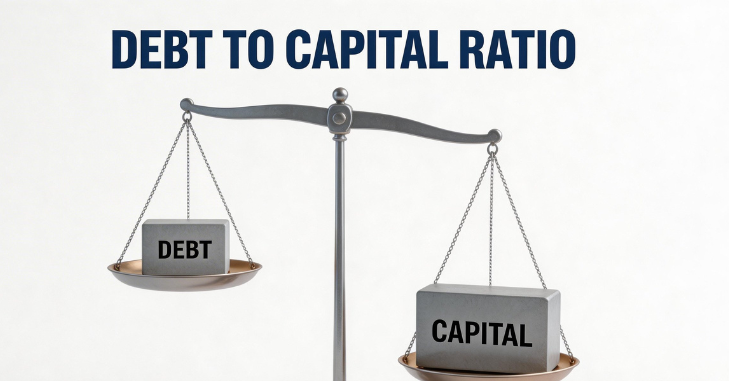
First, the debt-to-capital ratio provides a clear picture of a company’s financial health. A lower ratio typically indicates conservative financial management, while a higher ratio suggests a more aggressive growth strategy funded through debt. Stakeholders can use this insight to gauge whether a company is appropriately balancing its capital structure.
Assessment of Financial Risk
Secondly, investors utilize this ratio to assess financial risk. A high debt-to-capital ratio can signal potential difficulties in meeting obligations during economic downturns. This awareness enables investors to make informed decisions about their investments and align their strategies with the associated risks.
Comparability Between Companies
Furthermore, the debt-to-capital ratio enables comparisons across companies within the same industry. By examining this metric, investors can identify firms with favorable debt structures and overall stability, thereby guiding investment choices and portfolio management.
Strategic Tool for Management
It also serves as a strategic tool for management. By understanding their debt levels relative to total capital, management can make informed decisions about future financing options, whether through debt or equity. This understanding can help optimize capital structure for growth and stability.
Performance Insights Over Time
Additionally, tracking changes in this ratio over time can provide valuable insights into a company’s performance. A consistently declining ratio often indicates improving financial health, allowing management and stakeholders to monitor progress and make necessary adjustments in strategic planning.
Limitations of the Debt to Capital Ratio
Despite its advantages, the debt-to-capital ratio has limitations that stakeholders should consider. One notable limitation is that it provides a static snapshot of a company’s financial position at a specific point in time. This means it may not capture sudden changes in cash flows or market conditions that could affect a company’s ability to service its debt.
The influence of accounting practices also plays a role; different companies may employ varying methodologies for reporting debt and equity, which can distort comparative analysis. Furthermore, the ratio does not account for non-financial factors that can significantly affect long-term stability, such as management quality, market position, and operational efficiency.
The Importance of Monitoring Debt-to-Capital Ratio
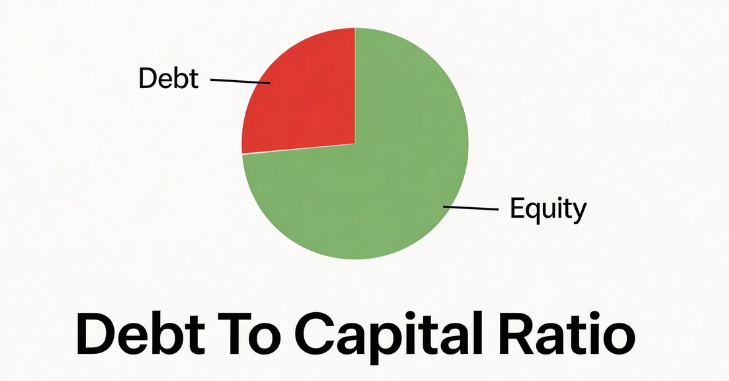
Continuous monitoring of the debt-to-capital ratio is critical for stakeholders. Changes in this metric can signal shifts in a company’s financial strategy, risk profile, or market conditions. An increasing debt ratio may necessitate further investigation into operational efficiency and cash flow management, while a declining ratio could indicate improving financial stability.
Integrating with Other Financial Metrics
Investors should not rely solely on the ratio. It is crucial to integrate this metric with other financial indicators, such as the interest coverage ratio, current ratio, and return on equity (ROE). Doing so allows for a comprehensive understanding of a company’s financial health and risk.
Conclusion
The debt-to-capital ratio is a vital financial metric that provides insight into the balance between debt and equity in a company’s capital structure. By comprehensively understanding the formula, components, and influencing factors, investors and analysts can assess a company’s financial health and risk profile more accurately. While the ratio has its limitations, its utility in evaluating financial stability and making informed decisions cannot be overstated.
Monitoring this ratio, alongside other financial metrics, empowers stakeholders to navigate the complexities of financial management and strategic planning, ultimately contributing to effective decision-making. By leveraging insights from the debt-to-capital ratio, investors and management can deepen their understanding of a company’s financial dynamics and make better-informed decisions.
Want to know about Cross-Price Elasticity: All You Need To Know About the Formula, Types of Price Elasticity, Factors Affecting, And Much More Check out our Real Estate category.
FAQs
Generally, a good debt ratio for a business is around 1 to 1.5.
Similar to interest, WACC is expressed as a percentage. For instance, only investments that yield a return greater than the 12% WACC should be made if a business operates at a 12% WACC.
35% or lower: Looking Good: Your debt is manageable in relation to your income. After paying your bills, you probably have money left over for savings or spending. A lower DTI is typically seen favorably by lenders.
This article explains how understanding the essential categories of market value, profitability, efficiency, liquidity, leverage, and solvency enables you to transform raw accounting data into actionable insights. You can make better choices regarding long-term stability, investments, and growth when you have the correct ratios.