WTI crude oil is one of the world’s most important energy commodities and serves as a primary benchmark for oil pricing, especially in North America. Known for its high quality, light density, and low sulfur content, WTI is widely preferred by refineries because it yields large quantities of valuable fuels such as gasoline, diesel, and jet fuel.
Produced mainly in the United States, it plays a central role in global energy markets and economic stability. The price of Crude Oil fluctuates based on supply and demand conditions, geopolitical developments, economic performance, currency movements, and market speculation.
Beyond pricing, it influences energy security, industrial growth, employment, and transportation costs while facing increasing scrutiny due to environmental concerns and the global transition toward renewable energy. Understanding WTI crude oil is essential for policymakers, investors, and businesses navigating the evolving global energy landscape.
| Category | Key Details |
| WTI Crude Oil | A high-quality light, sweet crude oil used as a major pricing benchmark |
| Primary Production Areas | Texas, Oklahoma, North Dakota; Permian Basin & Eagle Ford Shale |
| Quality Characteristics | API gravity ~39.6° (light); ~0.24% sulfur (sweet) |
| Refining Advantages | Easily refined into gasoline, diesel, and jet fuel |
| Pricing Benchmark Role | Key benchmark in North America, compared with Brent Crude globally |
| Delivery Hub | Cushing, Oklahoma (major storage and trading hub) |
| Major Price Influencers | Supply & demand, geopolitics, economic indicators, speculation, inventories, USD strength |
| Economic Importance | Impacts inflation, fuel prices, and consumer costs |
| Energy Security Role | Supports domestic energy stability and policy decisions |
| Employment & Investment | Drives jobs and investment in the oil & gas sectors |
| Industries Affected | Transportation, manufacturing, logistics, aviation |
| Global Market Impact | Influences global supply dynamics and competition |
| Environmental Challenges | Climate concerns and the shift toward renewable energy |
| Future Outlook | Remains vital but faces transition pressures from clean energy |
WTI Crude Oil
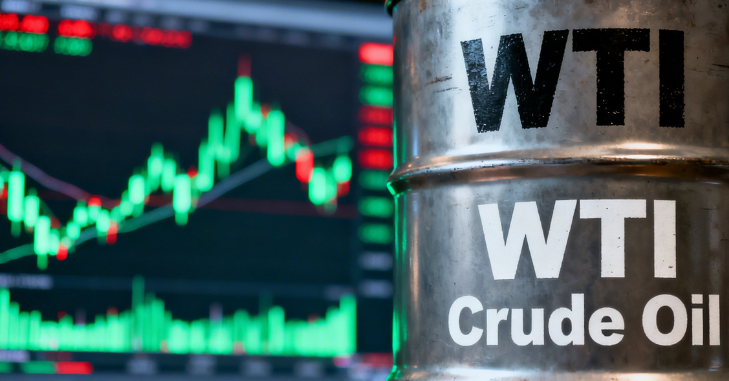
WTI crude oil, a high-quality light and sweet crude sourced primarily from the United States, plays a pivotal role in the global economy as a key benchmark for oil pricing. Its characteristics, including low density and low sulfur content, make it a preferred feedstock for refineries. The prices of WTI Crude Oil are influenced by factors such as supply and demand dynamics, geopolitical events, economic indicators, and market speculation.
Additionally, WTI Crude Oil impacts energy security, job creation, and related industries, while facing challenges posed by environmental concerns and the transition to renewable energy sources. Understanding these complexities is crucial for stakeholders navigating the evolving oil market landscape.
Characteristics of WTI Crude Oil
WTI crude oil is a high-quality crude oil originating primarily from Texas, Oklahoma, and parts of North Dakota. It is characterized by its low density and low sulfur content, which makes it a sweet crude oil. Specifically, WTI has an API gravity of around 39.6 degrees, which indicates it is lighter than many other crude oils. The low sulfur content (about 0.24% by weight) classifies it as sweet, as hydrocarbons with less than 0.5% sulfur are generally considered sweet.
Production and Refinement
WTI is predominantly produced in the United States, particularly in the Permian Basin and the Eagle Ford Shale. These regions have seen an increase in production due to advancements in drilling technology, particularly hydraulic fracturing (fracking) and horizontal drilling.
Because WTI is a light, sweet crude, it can be refined into high-value products like gasoline, diesel, and jet fuel with relative ease. Its characteristics make it an ideal feedstock for US refineries, most of which are configured to process lighter crudes.
Benchmark for Pricing
WTI is a key benchmark for oil pricing in North America. It serves as one of the primary references for pricing crude oil in the U.S. market, along with Brent crude, which is more widely traded globally. The price difference between WTI and Brent is often indicative of supply and demand dynamics and geopolitical factors.
Factors Influencing WTI Crude Oil Prices
- Supply and Demand Dynamics: Supply and demand are the most fundamental factors influencing WTI prices. Increased production from shale oil reserves, technological advancements in extraction, and global geopolitical tensions can all impact supply. On the demand side, economic growth, global energy consumption, and alternative energy sources play a significant role.
- Geopolitical Factors: Geopolitical events, such as conflicts in oil-producing regions or sanctions imposed on key oil-exporting countries, can create volatility in oil markets. For example, tensions in the Middle East have historically led to significant fluctuations in oil prices as concerns about potential supply disruptions arise.
- Economic Indicators: Economic indicators such as GDP growth, unemployment rates, and manufacturing output in major economies can influence WTI prices. A robust economy typically leads to increased fuel consumption, driving up demand for crude oil. Conversely, economic downturns can reduce demand and lower prices.
- Market Speculation: Speculative trading plays a considerable role in the oil markets. Traders buy and sell futures contracts based on their expectations of future price movements. This speculative activity can create volatility and lead to price swings independent of actual supply and demand fundamentals.
- Inventory Levels: The U.S. Energy Information Administration (EIA) releases weekly reports on crude oil inventory levels. High inventory levels usually indicate excess supply, which can suppress prices, while low inventory levels can signal tighter supply and push prices higher.
- Currency Fluctuations: Since crude oil is traded worldwide in U.S. dollars, fluctuations in the value of the dollar can influence WTI prices. A weaker dollar typically makes oil cheaper for buyers using other currencies, which can increase demand and push prices up.
WTI’s Role in the Global Economy

Economic Indicator
WTI crude oil prices are widely regarded as key indicators of overall economic conditions. Rising oil prices can indicate inflation and have a ripple effect throughout the economy, impacting transportation costs, food prices, and consumer spending. Conversely, falling prices can stimulate economic activity by reducing costs for consumers and businesses.
Energy Security
As one of the world’s largest oil consumers, the United States relies on stable WTI prices to help maintain national energy security. Fluctuating oil prices can affect national energy policies and influence decisions related to alternative energy development and investment in the domestic oil sector.
Investment and Job Creation
The oil and gas sector plays a major role in employment across the United States, supporting millions of jobs both directly and indirectly. When WTI prices are high, companies tend to expand exploration and drilling operations, encouraging investment and job creation. In contrast, falling prices can lead to budget cuts, layoffs, and a decline in new investment.
Impact on Related Industries
Changes in WTI prices affect a wide range of industries, including transportation and manufacturing. When oil prices rise, transportation expenses increase, which can drive up the cost of goods and reduce consumer demand. Conversely, lower oil prices help reduce operating costs across multiple sectors, supporting economic growth and easing price pressures.
Global Competition

The United States gains competitiveness in the world oil market as it produces more WTI. The dynamics of the global supply may be impacted by this production spike, which could have an impact on prices and the strategic choices made by other oil-producing countries.
Conclusion
In conclusion, WTI crude oil is essential to the energy markets and the overall economy. Its complexity is highlighted by its features as well as the numerous variables affecting its prices, which range from supply dynamics and geopolitical events to economic indicators and market speculation.
WTI has a big impact on job creation, energy security, and related industries in addition to serving as a vital pricing benchmark. Furthermore, as the global economy navigates the challenges of environmental sustainability and the transition to renewable energy, the future of WTI remains pivotal.
Understanding these elements is essential for stakeholders, policymakers, and analysts as they work to navigate an increasingly interconnected and evolving landscape. Ultimately, WTI will continue to play a vital role in shaping economic trends and energy policies in the years to come.
Want to know about Treasury Yields: A Complete Guide to Market Trends, Economic Forecasts, Investment Strategies, Federal Reserve Policy, and Global Financial Impact Check out our Wealth category.
FAQs
A variety of domestic light sweet crude oils from the United States are blended to create West Texas Intermediate (WTI). It is primarily refined in the Midwest and along the Gulf Coast, and it is drilled and processed in the United States. The US oil market primarily uses WTI as a benchmark.
It is common practice to refine Brent crude oil into gasoline and diesel fuel. It is one of the most important oil benchmarks in Europe, Africa, and the Middle East. The refining of gasoline frequently uses WTI (West Texas Intermediate) oil. It serves mainly as a standard for the US oil market.
Texas light sweet is another name for the WTI oil grade. If the oil satisfies the necessary requirements, it can be produced anywhere and be classified as WTI. WTI’s spot and futures prices serve as a standard for determining oil prices.
WTI has historically been associated with trade and production in the Texas and Oklahoma regions, but it has since spread throughout the world. Due to its lower density and sulphur content, it is slightly sweeter and lighter than other well-known oil markers.