The US-China trade talks mark a critical phase in the evolving economic partnership between the two countries. Following China’s 2001 entry into the World Trade Organization, bilateral goods trade expanded dramatically from $120 billion in 2002 to over $650 billion by 2018, generating billions in annual corporate profits. Frictions intensified in 2018 when the US introduced $360 billion in tariffs, prompting $110 billion in Chinese countermeasures.
The 2020 Phase One agreement pledged $200 billion in additional purchases, including $32 billion in agricultural goods and $52 billion in energy exports. The US-China trade talks also address a trade deficit that peaked at $419 billion, alongside export controls, patent reforms, supply chain shifts, and financial market volatility affecting global investors.
| Basics | Details |
| WTO Entry | 2001 membership boosted bilateral trade |
| Trade Growth | $120B 2002 to $650B 2018 |
| Corporate Profits | Billions earned from the Chinese market |
| Tariff Action 2018 | $360B Chinese goods targeted |
| China Retaliation | $110B US exports taxed |
| Tariff Rates | Duties ranged 10% to 25% |
| Phase One 2020 | $200B extra purchase pledge |
| Farm Commitment | $32B agricultural goods promised |
| Energy Deal | $52B energy export target |
| Trade Deficit | $419B peak 2018 level |
| Deficit 2023 | Narrowed to about $279B |
| Export Controls 2022 | The US limited advanced chip sales. |
| Patent Reform 2020 | Damages up to fivefold |
| Supply Diversification | Shift to Vietnam, Mexico, and India |
| Legal Tools | Section 232 and sanctions law |
| Market Volatility | S&P swings yuan past seven |
Early Economic Foundations
Before tensions escalated, trade between the United States and China expanded rapidly after China joined the World Trade Organization in 2001. Bilateral goods trade grew from about $120 billion in 2002 to over $650 billion by 2018. American multinational firms generated billions in annual profits from Chinese manufacturing partnerships and consumer market sales.
Tariff Escalation in US-China Trade Talks
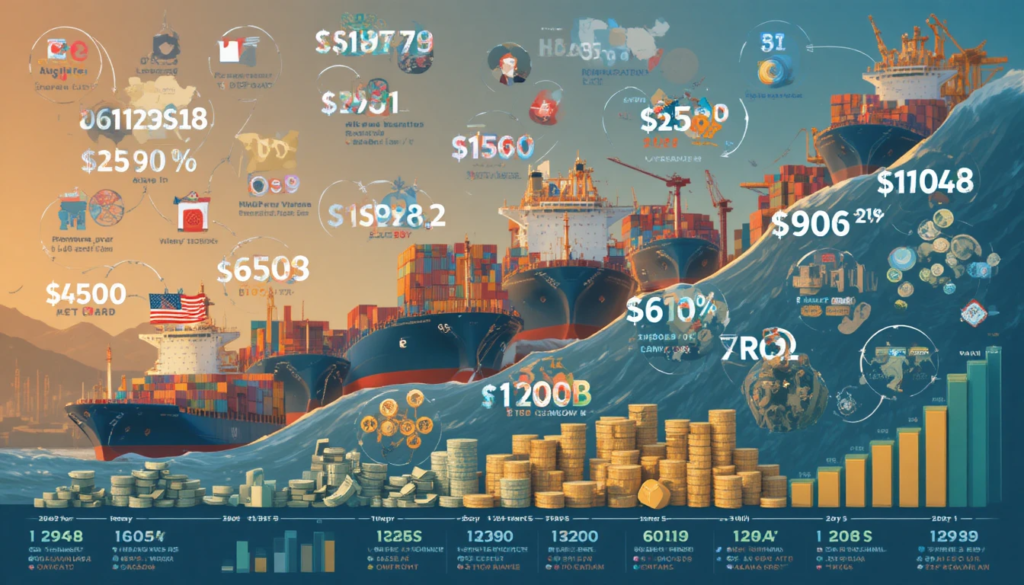
The US-China trade talks intensified in 2018, when the Trump administration imposed Section 301 tariffs on approximately $360 billion in Chinese imports. China responded with duties on around $110 billion of American exports, targeting soybeans, automobiles, and energy products. Tariff rates ranged from 10% to 25%, increasing costs for importers, retailers, and consumers significantly nationwide.
Phase One Agreement Details
In January 2020, negotiators signed the Phase One agreement, requiring China to increase purchases of American goods and services by $200 billion above 2017 levels within two years. Commitments included $32 billion in agricultural products and $52 billion in energy exports. The deal also strengthened intellectual property protections and prohibited forced technology transfer practices in commercial arrangements.
Enforcement Measures
The US-China trade talks introduced a structured dispute-resolution system that allows either side to raise compliance concerns. The agreement permitted the reimposition of a proportional tariff if obligations were not met. Under the leadership of Katherine Tai, enforcement reviews continued, focusing on transparency, state subsidies, and the market access commitments outlined in previously signed bilateral framework agreements.
Trade Deficit and Market Data

The US goods trade deficit with China peaked near $419 billion in 2018 before narrowing to around $279 billion by 2023. American exports to China reached roughly $150 billion annually, while imports exceeded $425 billion. Key sectors included electronics, machinery, pharmaceuticals, and agriculture, reflecting deeply integrated supply chains connecting manufacturers and retailers across continents.
Technology Controls
- Technology policy remains central within the US-China trade talks, especially regarding semiconductor exports and advanced manufacturing equipment.
- Under Joe Biden, the United States expanded export controls in 2022 to limit China’s access to high-performance chips.
- China, led by Xi Jinping, increased domestic subsidies to strengthen its semiconductor and artificial intelligence industries.
Intellectual Property Reforms
China amended its Patent Law in 2020, raising statutory damages for infringement up to five times assessed losses. Specialized intellectual property courts in Beijing, Shanghai, and Guangzhou improved enforcement efficiency. American firms reported gradual improvements in legal remedies, although concerns about trade secrets and data localization requirements continued to influence investment decisions and risk management strategies.
Supply Chain Shifts
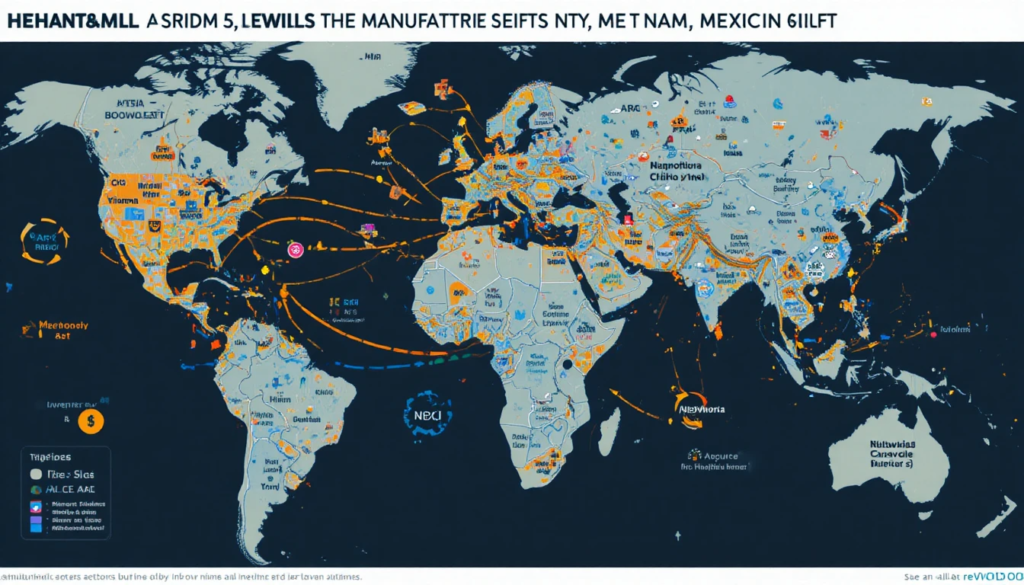
The US-China trade talks encouraged companies to diversify manufacturing locations to Vietnam, Mexico, and India. Between 2019 and 2023, US imports from Southeast Asia increased significantly as firms sought tariff relief. Reshoring initiatives and federal incentives supported the development of domestic semiconductor fabrication plants, aiming to reduce reliance on single-country sourcing of critical technologies and medical supplies.
Legal Tools and Policy Instruments
Washington used Section 232 national security tariffs and export licensing rules, while Beijing enacted the Anti-Foreign Sanctions Law in 2021 to counter foreign restrictions. Subsidy programs supporting electric vehicles and renewable energy industries sparked further debate. Both governments relied on regulatory tools, investment screening mechanisms, and customs enforcement to protect strategic sectors and domestic employment levels.
Financial Market Reactions
- During volatile negotiation periods, the S&P 500 experienced noticeable swings linked to tariff announcements and policy statements.
- Currency markets also reacted, with the Chinese yuan fluctuating beyond the symbolic seven-yuan-per-dollar threshold in 2019.
- Investors closely monitored joint statements, as positive signals often boosted equities, commodities, and global expectations for multinational corporate earnings.
Agricultural and Energy Commitments
Agriculture played a symbolic and economic role in negotiations. China pledged substantial purchases of soybeans, corn, and pork to support American farmers, particularly in the Midwest. Energy agreements included liquefied natural gas and crude oil contracts valued at tens of billions of dollars. These commitments aimed to balance trade flows and rebuild trust between commercial stakeholders.
Strategic Competition
The US-China trade talks take place alongside broader strategic competition over cybersecurity, rare-earth minerals, and defense-related technologies. National security reviews of foreign investments expanded under updated screening frameworks. Despite rivalry, structured dialogue channels remain active, offering mechanisms to manage disputes, prevent escalation, and maintain predictable commercial relations between the world’s two largest economies.
Conclusion
In conclusion, the US-China trade talks remain central to managing a relationship that once generated over $650 billion in annual goods trade. From $360 billion in tariffs to a $200 billion purchase pledge, these negotiations reshaped policies, supply chains, and investment flows.
Addressing a deficit that peaked at $419 billion, along with export controls and legal reforms, the US-China trade talks continue to influence global markets, corporate profits, and long-term economic stability worldwide.
Want to know about The Current Yield Curve: A Real-Time Barometer of Market Sentiment, Economic Expectations, and Global Financial Dynamics Check out our Gig Economy category.
FAQs
Trade tensions increased due to concerns over intellectual property protection, market access limits, industrial subsidies, and a large goods trade deficit that exceeded $400 billion at its peak.
The 2020 agreement aimed to reduce tensions by committing to $200 billion in additional purchases, strengthening intellectual property rules, and establishing clearer enforcement and dispute resolution procedures.
Import duties ranging from 10% to 25% raised costs for manufacturers, retailers, and households, disrupted supply chains, and created uncertainty in sectors such as agriculture, electronics, and automotive production.
Technology is central, especially regarding semiconductor exports, artificial intelligence development, and data security. Export controls and domestic subsidies significantly shaped industrial competitiveness and national security strategies.
Financial markets showed volatility during major announcements, with stock indices fluctuating and currency values shifting, reflecting investor sensitivity to policy changes and broader economic uncertainty.