
Interest rate cuts are a powerful lever that central banks use to steer the economy, and their impact can be felt across every corner of financial markets. By lowering borrowing costs, these cuts don’t just make loans cheaper; they can spark increased consumer spending, fuel business investment, and even influence global banking sector performance.
From homeowners taking advantage of lower mortgage rates to investors adjusting portfolios in response to shifting yields, the ripple effects are wide-reaching in a world shaped by economic uncertainty, inflation pressures, and market volatility.
Understanding how interest rate cuts affect loans, investments, and overall financial stability is more important than ever. This guide dives into the mechanisms, benefits, and challenges of interest rate cuts, offering a complete picture of their role in today’s economy.
| Category | Overview |
| Interest Rate Cuts | Central banks lower benchmark rates to reduce borrowing costs, stimulate spending, investment, and economic growth. |
| Impact on Loans | Cheaper borrowing encourages higher loan volumes for mortgages, consumer loans, business loans, and SME financing. |
| Consumer Spending | Lower rates free up disposable income, boosting purchases of durable goods, housing, and discretionary spending. |
| Investments | Encourages investment in equities, corporate bonds, and real estate; portfolio rebalancing toward higher-yield assets. |
| Banking Sector Growth | Loan growth can offset compressed margins; diversification and digital banking enhance profitability. |
| Global Financial Markets | Influences currency values, capital flows, bond yields, and equity valuations. |
| Risks & Challenges | Potential overheating, reduced bank profitability, excessive debt, currency volatility, and diminishing returns from further cuts. |
| Strategic Responses | Banks: expand lending, focus on fees, invest in digital efficiency. Investors: diversify, monitor sectors, hedge currency. Consumers/Businesses: refinance, lower financing costs, adjust investments. |
What Are Interest Rate Cuts?
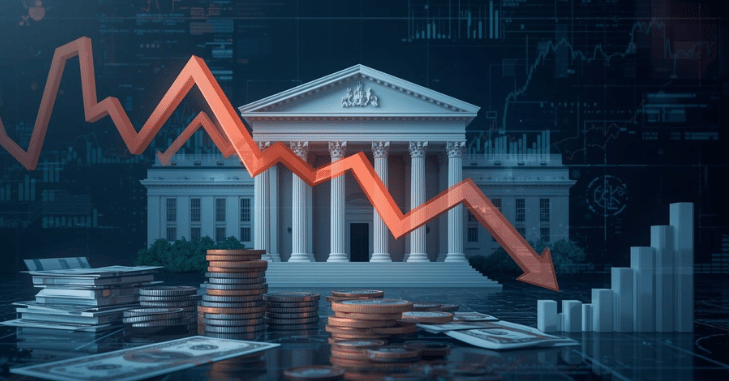
Interest rate cuts occur when central banks, such as the Federal Reserve, European Central Bank, or Bank of England, lower the benchmark rates at which commercial banks can borrow money. By reducing these policy rates, borrowing becomes cheaper for both businesses and consumers, which encourages spending, investment, and overall economic activity.
These cuts are typically implemented to stimulate growth during periods of slowing economic activity, low inflation, or financial instability. In addition to directly affecting borrowing costs, interest rate cuts send important signals to financial markets, shaping investors’ sentiment and influencing expectations about future economic conditions.
Impact on Loans and Borrowing
One of the most direct effects of interest rate cuts is on loans and credit markets. Lower rates reduce the cost of borrowing, making loans more attractive for individuals and businesses.
Effects on various types of loans
- Mortgage loans: Lower monthly payments encourage home buying and refinancing.
- Consumer loans: Cheaper personal loans and credit card rates to stimulate household spending.
- Business loans: Reduced financing costs enable companies to invest in expansion, technology, or hiring.
- SME financing: Small and medium enterprises benefit from lower rates, supporting local economies.
Key impacts
- Increased loan volumes and demand.
- Higher net interest income for banks if lending growth offsets margin reductions.
- Stimulates broader economic growth through credit-fueled spending.
Effect on Consumer Spending

Interest rate cuts can have a significant impact on consumer behavior by lowering borrowing costs and freeing disposable income, which encourages households to spend more on goods, services, and real estate.
This can lead to increased purchases of durable goods such as cars, appliances, and electronics, higher demand for housing due to lower mortgage rates, and a greater willingness to use personal loans or credit for discretionary spending.
Impact on Investments
Lower interest rates also affect investment decisions across financial markets. Cheaper borrowing costs and lower yields on risk-free assets can drive investors toward equities, corporate bonds, and real estate.
Key investment implications
- Stock markets: Lower rates increase corporate profitability and make equities more attractive compared to low-yield bonds.
- Real estate investments: Lower mortgage rates increase demand for property, supporting housing markets.
- Corporate bonds: Investors seek higher returns in corporate debt due to lower government bond yields.
- Portfolio rebalancing: Investors may shift to riskier assets for better returns, increasing market liquidity.
Banking Sector Growth and Profitability
Interest rate cuts have complex effects on the banking sector. While lower rates can reduce net interest margins, the difference between what banks earn on loans versus what they pay on deposits, they also have the potential to boost overall profitability if lending volumes rise. Understanding these dynamics is essential for assessing how banks navigate a low-rate environment.
Positive Effects for Banks
- Higher loan demand can offset the compression of interest margins.
- Banks have the chance to expand credit portfolios to consumers and businesses.
- Fee-based services such as wealth management or investment advisory may see potential growth, helping diversify revenue streams.
Challenges
- Compressed interest margins can disproportionately affect smaller banks compared to large, diversified institutions.
- Over-reliance on high loan volumes may increase credit risk, requiring careful management and monitoring.
Key Takeaways
- Loan growth can improve net interest income despite lower rates.
- Diversified banks are likely to outperform peers that rely mainly on traditional lending.
- Investments in cost optimization and digital banking are crucial to maintaining profitability.
- Strong risk management ensures that asset quality remains high and earnings stability is preserved.
Influence on Global Financial Markets
- Currency depreciation: Lower rates can reduce a country’s currency value, making exports more competitive.
- Capital flows: Investors may seek higher returns in foreign markets, influencing global investment patterns.
- Bond markets: Government and corporate bond yields often decline after rate cuts.
- Equity markets: Lower rates generally boost equity valuations by reducing discount rates for future earnings.
Risks and Challenges

While interest rate cuts can effectively stimulate economic growth, they also come with a range of potential risks that banks, investors, and policymakers must consider. Understanding these challenges is crucial for managing the broader impact on financial stability and market dynamics.
Overheating Economy
Excessively low interest rates can overheat the economy, potentially fuel inflation, or create asset bubbles in sectors such as real estate and equities. This can lead to unstable market conditions if growth becomes unsustainable.
Reduced Bank Profitability
Lower rates compress net interest margins, which can particularly strain smaller or less diversified banks. Narrower margins reduce the profitability of traditional lending operations, making it essential for banks to find alternative revenue sources.
Encouraging Excessive Debt

Cheap borrowing can lead to overleveraging of consumers and businesses. While higher credit availability supports spending and investment, excessive debt levels increase the risk of defaults if economic conditions change.
Currency Volatility
Interest rate cuts can weaken a country’s currency, affecting imports, inflation, and cross-border capital flows. Exchange rate fluctuations may create challenges for international trade and investment.
Diminishing Returns
If rates are already low, further cuts may have a limited impact on stimulating additional growth. Policymakers may face constraints in implementing further monetary easing without risking financial instability.
Strategic Responses to Interest Rate Cuts

Banks
- Expand lending to capitalize on higher loan demand.
- Focus on fee-based income to offset margin compression.
- Invest in digital banking and operational efficiency.
Investors
- Diversify portfolios across equities, bonds, and real estate.
- Monitor interest-sensitive sectors like utilities, real estate, and financials.
- Hedge against potential currency fluctuations.
Consumers and Businesses
- Refinance high-interest loans or mortgages.
- Take advantage of lower financing costs for expansion or purchases.
- Adjust investment strategies to leverage low borrowing costs.
Conclusion
Interest rate cuts are a crucial tool highlighted in recent banking news, shaping the dynamics of loans, investments, consumer behavior, and banking sector growth. When implemented strategically, lower rates stimulate economic activity by increasing borrowing, encouraging consumer spending, and supporting corporate investment.
While challenges such as compressed bank margins, potential overleveraging, and currency fluctuations exist, the overall impact on the economy is largely positive. For banks, interest rate cuts present opportunities to expand credit portfolios, enhance fee-based services, and strengthen customer engagement.
Want to know about Treasury Yields: A Complete Guide to Market Trends, Economic Forecasts, Investment Strategies, Federal Reserve Policy, and Global Financial Impact Check out our Wealth category.
FAQs
According to minutes from the January meeting, Federal Reserve officials indicated they were not in a rush to resume interest rate decreases after halting them last month.
Although it is possible, it is quite improbable that interest rates will return to 3% territory anytime soon.
Rate reductions by the Federal Reserve can either directly or indirectly reduce the cost of borrowing money for credit cards and loans.
Reduced rates typically result in cheaper borrowing costs for businesses and encourage consumers to purchase their goods, which can boost share prices.
While interest rates may decline in 2025, experts estimate that the decline will not be substantial.